
The future of artificial intelligence (AI) is poised to transform various aspects of human life and industry, with 2026 shaping up to be a pivotal year for advancements and applications. As AI technologies continue to evolve rapidly, several key trends are emerging that will define the trajectory of this field in the near future.
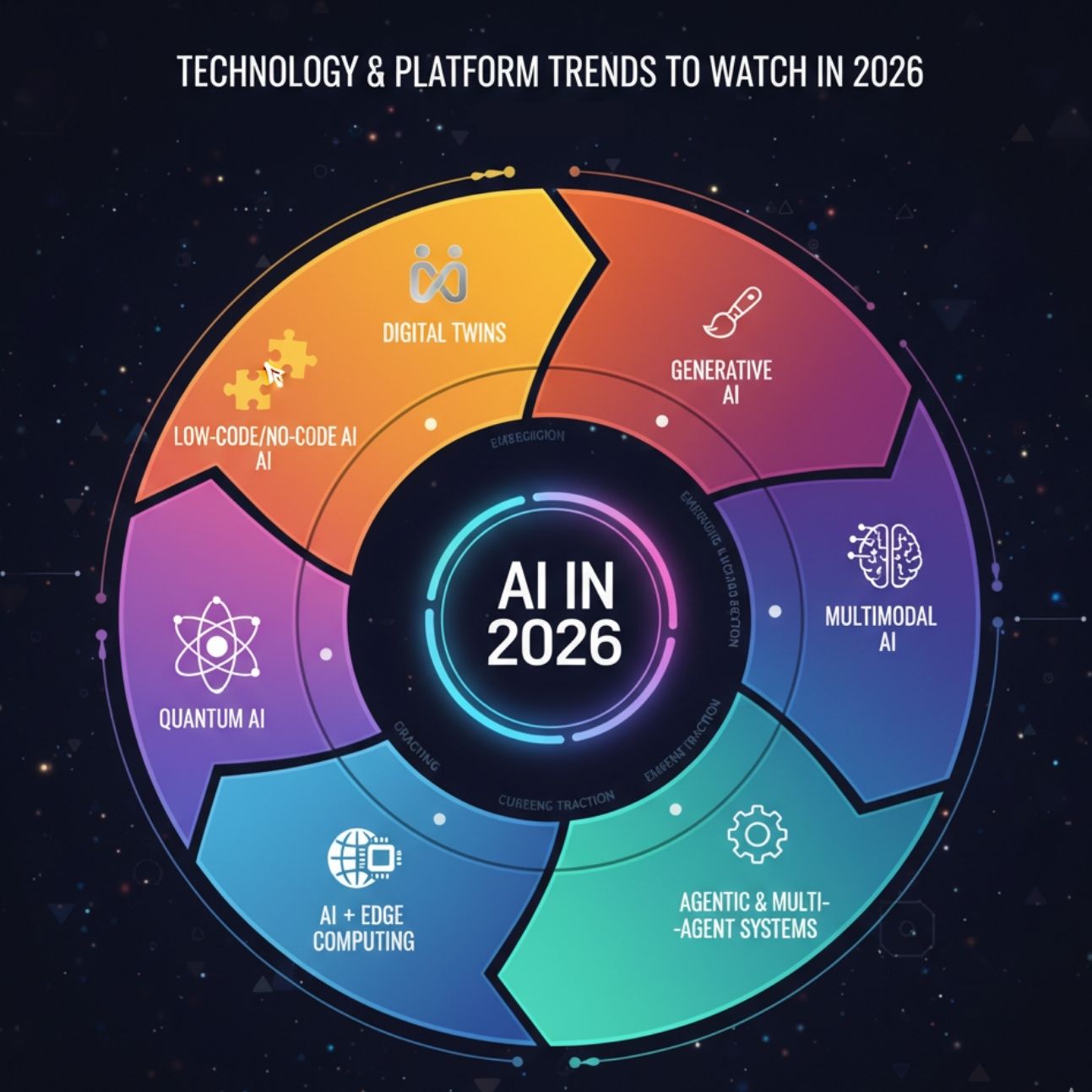
One significant trend is the increasing integration of AI with edge computing. Instead of relying solely on centralized cloud servers, AI processing is moving closer to data sources such as smartphones, IoT devices, and autonomous vehicles. This shift enhances real-time decision-making capabilities while reducing latency and bandwidth usage. In 2026, we can expect find out more sophisticated edge AI systems that enable faster responses in critical applications like healthcare monitoring, smart cities, and industrial automation.
Another important development is the rise of generative AI models beyond text generation. While current models excel at producing written content or images, future iterations will generate complex multimedia outputs including videos, audio compositions, and even interactive virtual environments. These advancements will revolutionize creative industries by providing tools that augment human creativity rather than replace it. Businesses across marketing, entertainment, education, and design will leverage these capabilities to deliver personalized experiences at scale.
Ethical considerations surrounding AI deployment will also gain greater prominence in 2026. With growing awareness about bias mitigation, transparency in algorithms, data privacy protection, and accountability frameworks becomes crucial. Governments worldwide are expected to implement stricter regulations guiding responsible use of AI technologies while encouraging innovation through standardized best practices. Organizations investing in ethical AI research will build stronger trust with consumers and stakeholders alike.
Moreover, explainable AI (XAI) techniques are set to become mainstream as users demand clarity on how decisions are made by automated systems-especially in high-stakes fields such as finance or healthcare diagnostics. By improving interpretability without sacrificing performance accuracy, XAI methods help bridge the gap between complex machine learning models and human understanding.
Lastly, collaboration between humans and machines will deepen through augmented intelligence approaches where AI acts as a partner enhancing cognitive tasks rather than replacing them entirely. This synergy enables improved problem-solving efficiency across sectors including scientific research discovery processes or legal case analysis workflows.
In conclusion, 2026 promises exciting progressions for artificial intelligence marked by enhanced computational architectures at the edge; more versatile generative capabilities; heightened focus on ethics; transparent model explanations; plus stronger human-AI partnerships-all converging towards smarter technology ecosystems benefiting society broadly while addressing challenges responsibly. Staying informed about these trends equips individuals and organizations alike for an innovative yet conscientious digital future driven by intelligent automation solutions expanding their reach every day.